
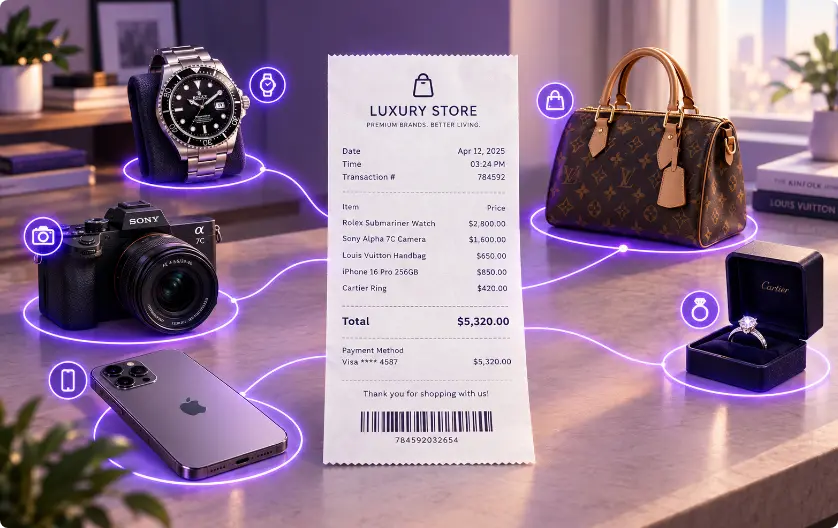
You saved for months. You finally bought the watch, laptop, designer bag, or new fridge you wanted. You bring it home, unbox it, and enjoy the purchase. Then the receipt gets pushed into a drawer, buried under other papers, or thrown away because you do not think you will need it again.
But an expensive purchase does not end when you pay for it. The receipt can become important weeks or even years later. It may be the proof you need to show when you buy the item, what you paid, and where you bought it. Without it, getting a refund, claiming a warranty, making an insurance claim, or proving ownership can become much harder.
This is why keeping the receipt matters, especially for anything that costs a lot of money. The problem is not only keeping it safe. You also need to know exactly where it is when you suddenly need it. Here is why you should never treat an expensive purchase receipt as just another piece of paper, and how to keep it ready for a time where it could really matter.
Why Should You Keep the Receipt for an Expensive Purchase?
A receipt is your proof of purchase. It shows where you bought an item, when you bought it, and how much you paid. It may also include the product’s serial number or other details. If you need a repair, refund, warranty service, or insurance claim, the receipt can help prove that you bought the item and when.
Losing a receipt for a cheap item may not cause much trouble. But when you spend a lot of money, losing it can become costly. A phone or watch may need an expensive repair. A stolen laptop may require proof of purchase for an insurance claim. Without the receipt, getting the help or money you are entitled to may become more difficult.
That is why you should keep the receipt for every expensive purchase. Store it somewhere safe and make sure you can find it when you need it. A receipt takes up little space, but losing it can create a problem when your expensive purchase needs a repair, replacement, refund, or insurance claim.
Can I Just Return or Exchange an Item Without a Receipt?
Return policies can be much stricter when you are buying something expensive. Luxury stores, electronics shops, and other retailers may require the original receipt before they will accept a return or issue a refund. The receipt shows when and where you bought the item and helps the store confirm that the purchase meets its return policy. Without it, you may have trouble proving that you bought the item from that store, even if you still have the product and its packaging.
What happens without a receipt depends on the store. Some may refuse the return completely. Others may offer store credit instead of a refund, sometimes based on the item’s lowest recent selling price rather than what you originally paid. That can mean getting back less than you expected. For an expensive purchase, losing part of your money simply because you cannot find the receipt is an avoidable problem.
The other issue is time. Return windows are often short, such as 14 or 30 days, and those days can pass quickly once the excitement of a new purchase wears off. If you notice a defect, change your mind, or realize the item is not right for you, you need to know both where the receipt is and how much time you have left. Keeping the receipt, purchase date, return deadline, and product details together makes it much easier to act before the window closes.
Does a Receipt Prove an Item Is Real?
A receipt can be useful evidence of authenticity, but it is not proof on its own. A receipt from an authorized retailer, together with the original certificate, box, serial number, and other purchase documents, can help establish where and when the item was bought. This is especially useful for high-value watches, designer bags, electronics, and other products where buyers may want more evidence before making a purchase.
This counts because a receipt by itself does not guarantee that an item is genuine. Fake receipts and counterfeit products exist, and different brands use different methods to verify their products. However, having the original purchase record gives a buyer, reseller, repair center, or brand more information to work with. In some cases, they may also check the serial number, warranty record, or purchase history before accepting a return, repair, or resale.
The easiest approach is to keep all the important records together. Save the receipt with the certificate, warranty, serial number, and other documents, or keep a clear record of where each one is stored. That way, if you ever need to prove where the item came from or have it checked, you are not searching through different drawers, emails, and boxes for pieces of the same purchase history.
How Does a Receipt Help When You Sell the Item Later?
A receipt can add useful proof and history to an expensive item when you eventually sell it. This matters most with things such as luxury watches, designer bags, and other high-value goods where buyers care about authenticity and provenance. The receipt can show where and when the item was originally purchased and, depending on the product, may include details that connect the purchase to the specific item. In the luxury resale market, ownership history and proof of purchase can help a buyer feel more confident about what they are buying
It can also affect what a buyer is willing to pay, although the impact depends on the item, brand, condition, and what other original documents are included. A luxury watch sold with their original box, and papers tend to command higher prices than the same models without them, while its marketplace guidance also recommends keeping the original receipt when possible. The receipt alone does not guarantee a higher resale price, but keeping the complete purchase record can make your item easier to verify and present as a complete package
Now the problem is that you may not think about resale when you first buy something. You might keep the receipt in a drawer, move it into a folder, pack it away during a house move, or forget about it completely for several years. Mint Memo gives you a simple way to keep that purchase record tied to the item itself. You can save a photo of the receipt, add the purchase date, store details, warranty information, and a note about where the original receipt is kept. When you decide to sell the item years later, you do not have to remember what you did with the receipt.
What Are the Best Ways to Keep a Receipt Safe?
Keeping it safe and making sure you can find it years later is where most people go wrong. Paper receipts can fade, tear, get misplaced, or end up buried under other documents. Digital receipts can also disappear among hundreds of emails and files.
The goal is not simply to keep the receipt. You need to protect the information on it and make sure it stays connected to the item you bought. That way, when you need it for a warranty, return, insurance claim, or future sale, you are not trying to remember where you put it.
The good news is that you do not need a complicated system. A few simple habits can protect the receipt and make the finding much easier. Here are simple options that work:
- Take a photo right away. Thermal paper fades, sometimes within months. A clear photo keeps the details readable.
- Ask for an email receipt. Many stores will send one. Save it in a folder with a clear name.
- Use one home spot for paper copies. A single file box or folder beats a dozen drawers.
- Store it with the item’s papers. Keep the receipt next to the warranty card and manual.
- Write down where it is. Even the best storage fails if you forget where you put it.
- Keep a backup. Save a copy in cloud storage or a memory app, so one loss doesn’t wipe out your proof.
The goal is to make sure every costly item should have one receipt, one location, and one record of that location.
How Can You Find a Receipt When You Need It Fast?
Most people do not actually lose their receipts. They lose track of them. The receipt is still somewhere in the house, but it is buried in a drawer, tucked inside the product box, mixed with other papers, or sitting in an old email thread. Months or years later, you remember buying the item but cannot remember where you put the proof of purchase.
The simple fix is to record the important details when you buy the item, while the information is still easy to find:
- What you bought
- Where and when you bought it
- How much you paid
- Where the original receipt is stored
- When the warranty ends
- When the return window closes
Keeping these details together gives you more than a record of the purchase. It gives you a clear trail back to the receipt whenever you need it. There are plenty of memory apps that keep the receipt and purchase details organized, so you do not have to rely on memory when you need them later.
The Best Way to Find a Receipt with Mint Memo?
Mint Memo gets the job done quicker. It makes it less about storing a piece of paper and more about creating a useful record you can come back to years later. You can turn one receipt into a complete purchase memory in just a few simple steps: All you have to do is:
1. Create Your First Memory
Start by tapping Create First Memory to add the purchase you want Mint Memo to keep track of.
2. Choose a Record Type
Tap Add Record and choose the type of memory you want to save. Select the receipt record type for your purchase.
3. Add the Basic Details
Enter the basic information about the item. Add the item name, store, purchase date, and price. This way you can have a clear record of what you bought and when.
For example:
Item: MacBook Pro
Store: Apple Store
Purchase Date: September 16, 2026
Price: $2,499
4. Save the Receipt
Add a clear photo of the receipt to the record. If you received a digital receipt, you can save the relevant details and keep a record of where the original digital receipt is stored.
You can also add the serial number, order number, or other purchase details that may be useful later for a return, warranty claim, insurance claim, or resale.
5. Add the Warranty or Return Date
If the item has a warranty or return period, add the relevant date to the record. You can then set a reminder before the warranty or return window ends.
For example, you could set a reminder a month before the warranty expires to check the item and make sure there are no issues you need to report.
6. Add Notes and Extra Details
Use the notes section for anything else you may need to remember about the purchase.
For example:
“Original receipt is in the blue document folder in the bedroom drawer.”
Or:
“Keep box and warranty card. Serial number is on the back of the laptop.”
This gives you more than a saved receipt. You have the purchase details, receipt, warranty information, and location of the original documents together, so you can quickly find what you need when the purchase matters again.
The Bottom Line
An expensive purchase does not end at the checkout. The receipt protects your money for years through warranties, returns, insurance, resale, and taxes. Keeping it is the first step. Knowing exactly where it is when you need it is what really counts. If “where did I put that receipt?” has ever cost, you time or money. Mint Memo is built for real-life records to make sure the answer is always a quick search away.